Solar Forecasting: Complete Guide to AI-Powered Energy Predictions for Global Solar Operations


In the rapidly evolving landscape of renewable energy, solar forecasting has emerged as a critical technology that separates successful solar operations from those struggling with grid penalties and missed revenue opportunities. As solar energy capacity continues to expand globally—with major installations across India, Europe, the Americas, and beyond—the ability to accurately predict solar energy production has become essential for grid operators, energy traders, and solar asset owners alike.
Solar forecasting leverages artificial intelligence and advanced weather modeling to predict solar energy generation with remarkable precision, enabling operators to make informed decisions about grid scheduling, energy trading, and maintenance planning. Modern AI-powered systems can now achieve up to 98% accuracy across multiple forecasting horizons, from 15-minute intervals for real-time grid balancing to 14-day predictions for strategic planning. This comprehensive guide explores how solar forecasting technology works, what accuracy levels you can expect, and how to leverage these predictions to optimize your solar operations and maximize ROI.

What is Solar Forecasting and Why It Matters for Modern Energy Operations
Solar forecasting is the process of predicting future solar energy generation using advanced algorithms, weather data, satellite imagery, and historical performance patterns. Unlike traditional weather forecasting that simply predicts conditions, solar forecasting specifically calculates how much electrical energy a solar installation will produce at future time intervals, accounting for factors like cloud cover, atmospheric conditions, panel degradation, and seasonal variations.
The importance of accurate solar forecasting cannot be overstated in today's energy markets. Grid operators require precise predictions to maintain grid stability and balance supply with demand. When solar generation deviates significantly from forecasted values, it creates imbalances that can destabilize the grid and result in substantial financial penalties for solar operators. In many markets, these forecast deviation penalties can reach thousands of dollars per megawatt-hour of deviation, making accurate forecasting a direct revenue protection mechanism.
For energy traders, solar forecasting enables strategic participation in day-ahead and intra-day energy markets. Traders can optimize their bidding strategies, secure better prices, and minimize exposure to volatile spot markets when they have confidence in their production forecasts. The difference between operating with 85% forecast accuracy versus 98% accuracy can translate to millions of dollars annually for utility-scale solar portfolios.
Solar asset owners benefit from forecasting in multiple ways beyond penalty avoidance. Accurate predictions enable optimized maintenance scheduling—planning maintenance activities during periods of naturally low production rather than during peak generation times. Forecasting also supports better resource allocation, staffing decisions, and integration with energy storage systems, allowing operators to charge batteries during excess production periods and discharge during shortfalls.
The global adoption of solar forecasting technology has accelerated dramatically as renewable energy penetration increases. Markets with high solar capacity, including regions across India such as Bengaluru, Ahmedabad, and Mumbai, as well as international markets in Europe, Australia, and the Americas, have made accurate forecasting a regulatory requirement for grid-connected solar installations above certain capacity thresholds. This regulatory push, combined with the clear financial benefits, has made solar forecasting an essential component of professional solar operations worldwide.
How AI-Powered Solar Forecasting Technology Works
Modern solar forecasting systems represent a sophisticated fusion of artificial intelligence, meteorological science, and real-time data integration. Understanding how these systems work helps operators appreciate their capabilities and limitations, and enables more effective implementation and utilization.
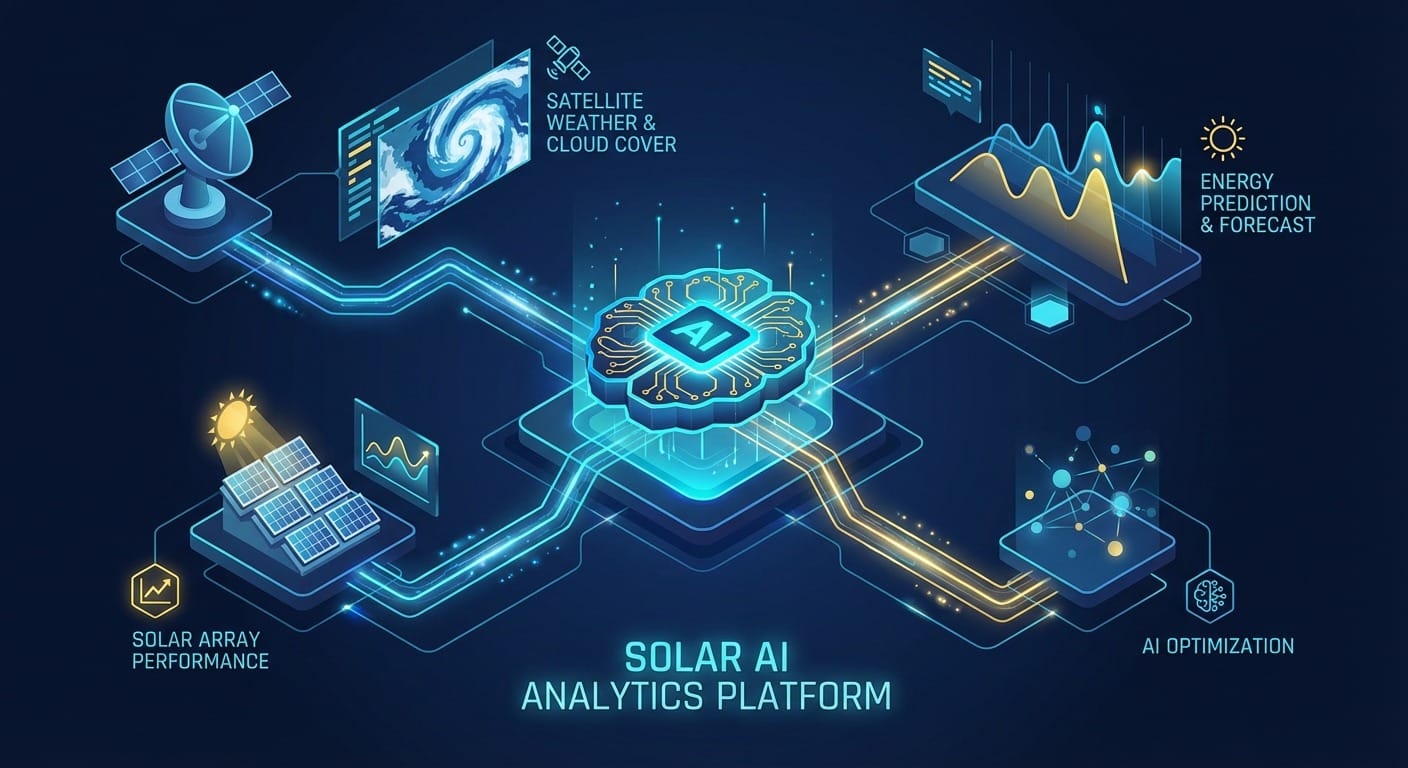
At the foundation of advanced solar forecasting lies machine learning algorithms that continuously analyze vast datasets to identify patterns and relationships between weather conditions and solar energy production. These algorithms learn from historical data, comparing past weather forecasts, actual weather conditions, and resulting solar generation to refine their predictive models over time. The more data the system processes, the more accurate its predictions become, particularly for site-specific characteristics and local weather patterns.
Leading-edge systems like those employed by HelioExpect utilize GraphCast technology, a state-of-the-art weather prediction model developed using graph neural networks. GraphCast represents weather data as a graph structure, where each point on Earth's surface is a node connected to neighboring points. This approach enables the model to capture complex atmospheric dynamics and weather pattern evolution with exceptional accuracy, outperforming traditional numerical weather prediction models in many scenarios.
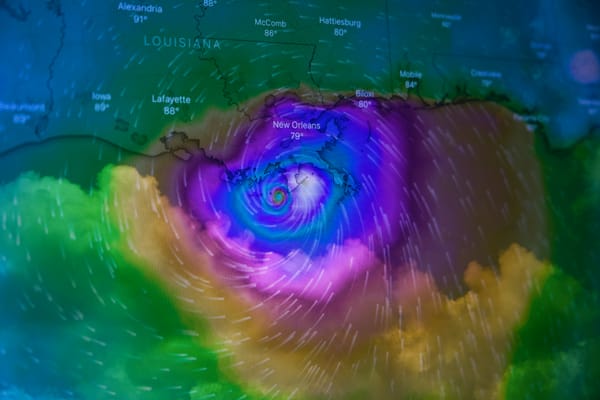
Another critical component is cloud motion vector analysis, which uses satellite imagery to track cloud formations in real-time and predict their movement with high precision. For intra-hour forecasting (15-minute to 6-hour horizons), cloud motion vectors are particularly valuable because they can detect and predict rapid changes in solar irradiance caused by passing clouds—changes that significantly impact generation but occur too quickly for traditional weather models to capture effectively.
The forecasting process integrates multiple data sources simultaneously:
- Numerical Weather Prediction (NWP) models provide large-scale atmospheric forecasts including temperature, humidity, wind patterns, and cloud cover predictions
- Satellite imagery delivers real-time visual data on current cloud conditions and atmospheric transparency
- Ground-based sensors at the solar installation measure actual irradiance, temperature, and local weather conditions
- Historical performance data from the specific solar installation captures site-specific factors like shading, soiling patterns, and equipment characteristics
- Real-time generation data enables continuous model calibration and nowcasting (predictions for the immediate future based on current conditions)
The AI system processes these diverse data streams through multiple specialized models optimized for different forecasting horizons. Short-term models (15 minutes to 6 hours) rely heavily on satellite imagery and cloud motion vectors, while longer-term models (day-ahead to 14-day) place greater emphasis on numerical weather predictions and seasonal patterns. The system automatically selects and blends predictions from multiple models to produce the most accurate forecast for each time horizon.
A crucial aspect of AI-powered forecasting is continuous learning and adaptation. The system constantly compares its predictions against actual generation outcomes, identifying prediction errors and adjusting its algorithms to minimize future errors. This feedback loop enables the system to adapt to changing conditions, such as seasonal variations, equipment degradation, or modifications to the solar installation. Advanced platforms can even detect and account for anomalies like soiling events or equipment malfunctions that affect generation patterns.
Understanding Solar Forecasting Accuracy: What 98% Really Means
When evaluating solar forecasting solutions, accuracy claims are often the most prominent feature highlighted by vendors. However, understanding what these accuracy figures actually represent—and what performance you can realistically expect—requires a deeper examination of how forecasting accuracy is measured and what factors influence it.
Forecasting accuracy is typically measured using statistical metrics that compare predicted values against actual generation outcomes. The most common metrics include:
- Mean Absolute Error (MAE): The average absolute difference between predicted and actual generation, expressed as a percentage of installed capacity
- Root Mean Square Error (RMSE): A metric that gives higher weight to larger errors, useful for understanding worst-case scenarios
- Normalized RMSE (nRMSE): RMSE normalized by installed capacity, allowing comparison across different-sized installations
- Forecast Skill: A measure of how much better the forecast performs compared to a simple persistence model (assuming tomorrow will be like today)
When a system claims 98% accuracy, this typically refers to day-ahead forecasts under normal weather conditions, meaning the predicted generation is within 2% of actual generation on average. However, this figure represents optimal performance, and actual accuracy varies based on several factors:
Weather variability is the primary factor affecting forecast accuracy. Clear, stable weather conditions enable highly accurate predictions, often exceeding 98% accuracy. Conversely, rapidly changing weather with intermittent clouds, storms, or unusual atmospheric conditions reduces accuracy. A system achieving 98% accuracy on clear days might see accuracy drop to 90-92% during highly variable weather—still excellent performance, but important to understand for operational planning.
Forecasting horizon significantly impacts accuracy, with shorter-term predictions generally more accurate than longer-term forecasts. Intra-hour forecasts (15-minute to 1-hour ahead) can achieve 95-99% accuracy because they incorporate real-time conditions and nowcasting techniques. Day-ahead forecasts typically achieve 92-98% accuracy, while week-ahead forecasts might range from 85-92% accuracy. The 14-day forecasts are less precise but still valuable for strategic planning, with accuracy typically in the 80-88% range.
Geographic location and local climate patterns also influence accuracy. Regions with consistent, predictable weather patterns (like areas with predominantly clear skies or regular seasonal patterns) enable more accurate forecasting than regions with highly variable microclimates or frequent weather system changes. Coastal areas, mountainous regions, and tropical climates often present greater forecasting challenges than continental interiors with stable weather patterns.
Industry benchmarks provide useful context for evaluating forecasting performance. Basic statistical models or persistence forecasts typically achieve 70-80% accuracy for day-ahead predictions. Traditional numerical weather prediction models without AI enhancement generally reach 85-90% accuracy. Advanced AI-powered systems like those used by HelioExpect achieve 95-98% accuracy for day-ahead forecasts, representing a significant improvement that translates directly to reduced penalties and better operational decisions.
The practical impact of accuracy differences is substantial. Consider a 100 MW solar installation with forecast deviation penalties of $50 per MWh. Improving accuracy from 90% to 98% could reduce annual penalty costs by hundreds of thousands of dollars while simultaneously enabling better energy trading decisions that capture additional revenue opportunities. For portfolio operators managing multiple sites across regions like Bengaluru, Ahmedabad, and Mumbai, these improvements compound across all installations.
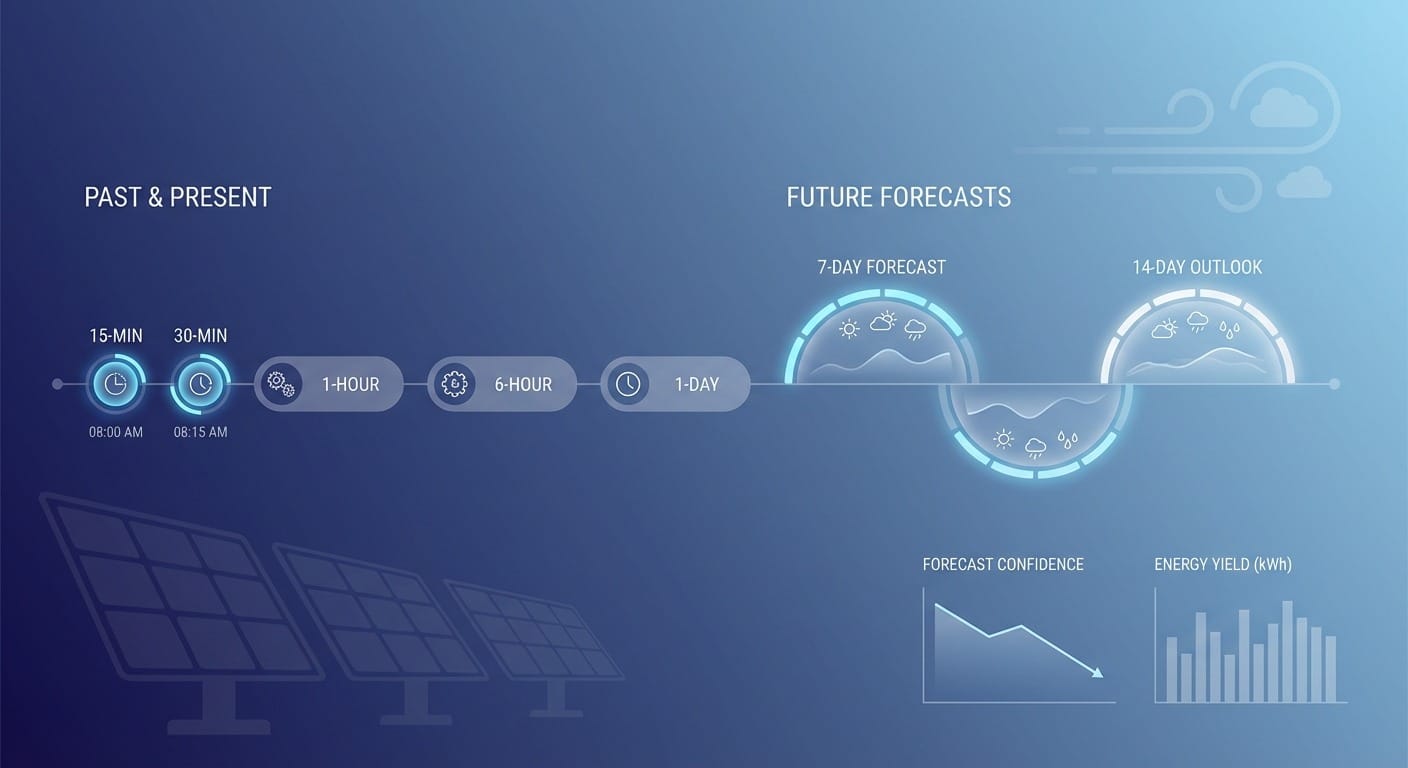
Solar Forecasting Horizons: From 15-Minute to 14-Day Predictions
Solar forecasting systems provide predictions across multiple time horizons, each serving distinct operational purposes and utilizing different forecasting methodologies. Understanding these horizons and their applications enables operators to leverage forecasting data effectively for various decision-making processes.
The concept of forecasting horizons refers to how far into the future predictions extend, ranging from immediate nowcasts to extended multi-day forecasts. Different stakeholders within solar operations rely on different horizons for their specific needs, and comprehensive forecasting platforms provide seamless predictions across all relevant timeframes.
Intra-Hour and Day-Ahead Forecasting
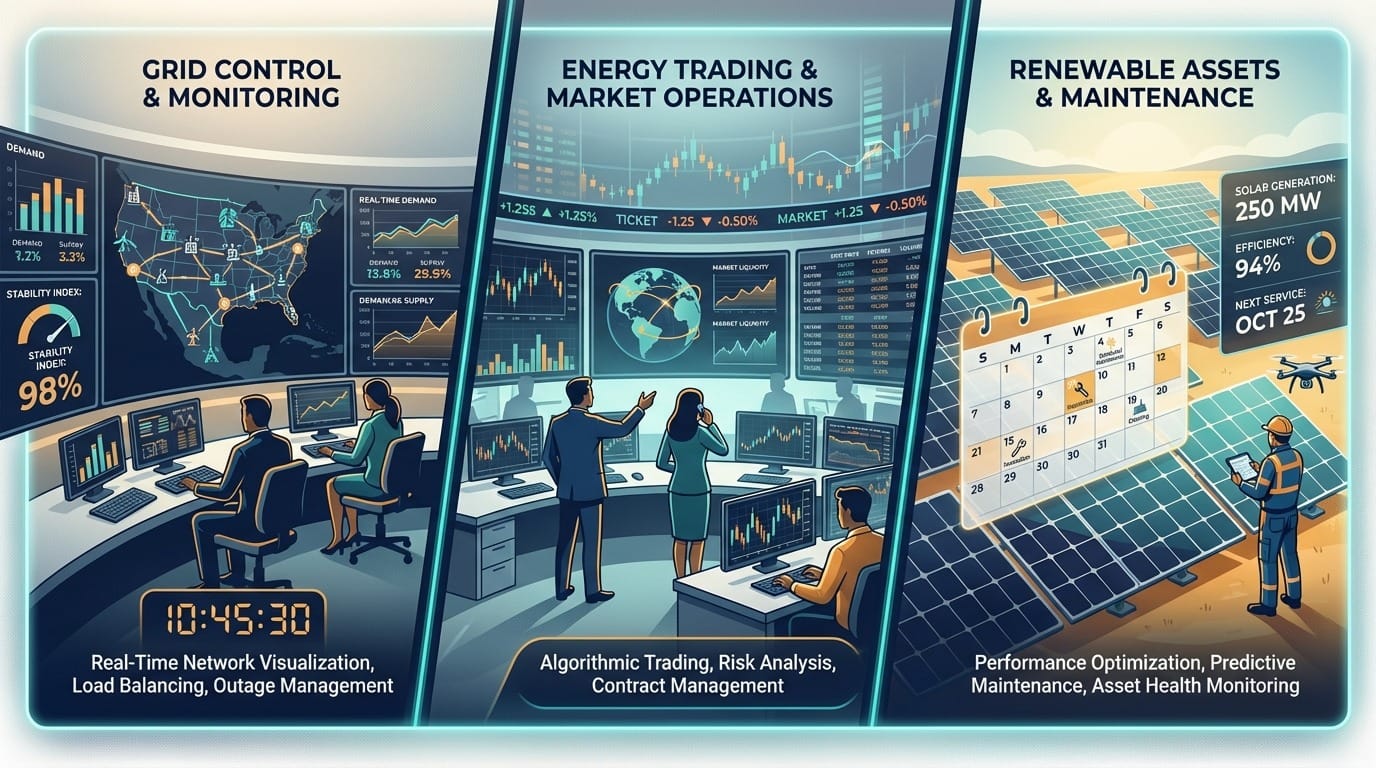
Intra-hour forecasting (15-minute to 6-hour predictions) serves as the operational backbone for real-time grid management and immediate dispatch decisions. These ultra-short-term forecasts leverage nowcasting techniques that combine current generation data, real-time satellite imagery, and cloud motion vectors to predict imminent changes in solar production with exceptional accuracy.
Grid operators use 15-minute interval forecasts to make real-time balancing decisions, dispatching conventional generation or energy storage to compensate for solar variability. For solar operators, these forecasts enable proactive communication with grid operators about expected generation changes, reducing the likelihood of curtailment orders or emergency dispatch requirements. The ability to predict a significant cloud formation arriving in 30 minutes allows operators to notify the grid and adjust their market positions before the generation drop occurs.
Day-ahead forecasting (24 to 48 hours) represents perhaps the most critical horizon for commercial solar operations. Most energy markets require day-ahead generation schedules for grid planning and market clearing. Solar operators submit their expected generation profiles based on day-ahead forecasts, and significant deviations from these schedules result in financial penalties or require expensive balancing energy purchases.
Day-ahead forecasts enable participation in day-ahead energy markets, where operators can sell their expected generation at predetermined prices rather than accepting volatile real-time market prices. Accurate day-ahead forecasting also supports maintenance scheduling decisions—if the forecast shows low generation tomorrow due to weather conditions, it's an ideal time to schedule preventive maintenance that would otherwise reduce available generation.
Week-Ahead and Extended Forecasting
Week-ahead forecasting (3 to 7 days) transitions from operational to tactical planning. These forecasts inform staffing decisions, maintenance scheduling for larger projects requiring multi-day outages, and energy trading strategy development. While less accurate than day-ahead forecasts, week-ahead predictions provide valuable guidance for resource allocation and logistics planning.
For portfolio operators managing multiple solar installations across different regions, week-ahead forecasts enable coordinated maintenance scheduling. If forecasts show a low-generation week approaching for sites in one region, maintenance teams can be deployed there while focusing operational attention on sites in other regions expecting strong generation. This portfolio-level optimization maximizes overall generation and revenue across the entire asset base.
Extended forecasting (7 to 14 days) serves strategic planning purposes, including long-term energy trading positions, financial planning, and coordination with other business operations. While accuracy decreases at these horizons, the forecasts still provide valuable probabilistic guidance about expected generation trends, helping operators prepare for extended weather patterns like monsoon periods or seasonal transitions.
Energy traders use extended forecasts to develop hedging strategies and manage risk exposure in forward energy markets. Financial teams incorporate these forecasts into revenue projections and cash flow planning. Operations managers use them to plan major maintenance campaigns, equipment deliveries, and contractor scheduling that requires advance coordination.
Advanced forecasting platforms like HelioExpect provide seamless integration across all forecasting horizons, presenting operators with a unified view of expected generation from the next 15 minutes through the next 14 days. This comprehensive approach ensures that different stakeholders—from real-time operators to strategic planners—all work from consistent, coordinated forecasts rather than disparate predictions that might conflict or create confusion.
Key Applications: Grid Scheduling, Energy Trading, and Penalty Reduction
The value of solar forecasting manifests through specific operational applications that directly impact revenue, costs, and operational efficiency. Understanding these applications helps operators prioritize forecasting implementation and measure its return on investment.
Grid scheduling and balancing represents the most fundamental application of solar forecasting. Grid operators must continuously balance electricity supply and demand to maintain grid stability and frequency. As solar capacity increases on the grid, accurate forecasts of solar generation become essential for this balancing act. Transmission system operators typically require solar generators above certain capacity thresholds to submit generation schedules, and deviations from these schedules create grid management challenges.
With accurate forecasting, solar operators can submit realistic generation schedules that minimize deviations. When unavoidable deviations occur due to unexpected weather changes, operators with real-time forecasting can provide advance notice to grid operators, enabling proactive rather than reactive grid management. This cooperation improves overall grid reliability and reduces the operator's exposure to deviation penalties, which in many markets can be substantial—often $25 to $100 per MWh of deviation depending on market conditions and regulatory frameworks.
Energy trading optimization leverages forecasting to maximize revenue from solar generation. Energy markets typically operate on multiple timeframes: day-ahead markets where energy is sold for next-day delivery, intra-day markets for same-day adjustments, and real-time markets for immediate balancing. Each market has different price dynamics, with day-ahead markets generally offering more stable prices while real-time markets can be highly volatile.
Operators with accurate day-ahead forecasts can confidently sell their expected generation in day-ahead markets, locking in known prices and avoiding real-time market volatility. When day-ahead forecasts predict generation above contracted obligations, operators can sell the excess in forward markets. Conversely, when forecasts show potential shortfalls, operators can purchase covering energy in advance at lower prices than emergency real-time purchases would cost.
Intra-day forecast updates enable dynamic trading strategies. If updated forecasts show generation will exceed the day-ahead schedule, operators can sell the additional energy in intra-day markets. If forecasts show a shortfall developing, operators can purchase covering energy before real-time penalties apply. This dynamic approach, enabled by continuous forecast updates, can increase revenue by 5-15% compared to static day-ahead-only strategies.
Forecast deviation penalty reduction directly protects revenue. Most grid-connected solar installations face financial penalties when actual generation deviates significantly from submitted schedules. These penalties serve to incentivize accurate forecasting and discourage operators from submitting unrealistic schedules. Penalty structures vary by market but typically escalate with the magnitude of deviation—small deviations might incur minimal penalties, while large deviations face substantial charges.
By improving forecast accuracy from typical industry levels (85-90%) to advanced AI-powered levels (95-98%), operators can reduce annual penalty costs by 60-80%. For a 100 MW solar installation, this could represent savings of $200,000 to $500,000 annually, depending on local penalty structures and weather variability. Across a portfolio of multiple installations, these savings compound significantly.
Maintenance planning and resource allocation benefit substantially from accurate forecasting. Preventive maintenance activities temporarily reduce generation capacity, so scheduling these activities during naturally low-generation periods minimizes revenue impact. Week-ahead and extended forecasts enable maintenance teams to identify optimal maintenance windows—periods when weather conditions will limit generation anyway, making it the ideal time for planned outages.
For portfolio operators managing assets across multiple regions, forecasting enables intelligent resource allocation. Maintenance crews, spare parts inventory, and operational attention can be directed toward sites expecting strong generation (where maximizing uptime has the greatest revenue impact) while scheduling maintenance at sites expecting poor weather. This portfolio-level optimization, particularly valuable for operators with installations across diverse climates like those in Bengaluru, Ahmedabad, Mumbai, and international locations, can improve overall portfolio performance by 3-7%.
Energy storage integration relies heavily on accurate forecasting to optimize charging and discharging strategies. Battery energy storage systems paired with solar installations need forecasts to determine when to charge batteries (during excess solar generation), when to discharge (during generation shortfalls or high-price periods), and how much capacity to reserve for different scenarios. Accurate forecasting enables storage systems to maximize their value by arbitraging price differences and providing grid services while ensuring sufficient capacity for forecast error mitigation.
Platforms like HelioExpect that combine forecasting with predictive monitoring provide additional value by ensuring forecast reliability. When predictive monitoring detects developing equipment issues that might affect generation, this information feeds into forecast adjustments, maintaining accuracy even when equipment performance degrades. This integrated approach prevents the common problem of accurate weather forecasts producing inaccurate generation forecasts because equipment problems weren't accounted for.
Essential Features to Look for in Solar Forecasting Solutions
Selecting a solar forecasting solution requires evaluating multiple technical and operational features that determine the system's effectiveness for your specific needs. Not all forecasting solutions offer the same capabilities, and understanding which features matter most helps operators make informed decisions.
Multi-horizon forecasting capabilities should be a baseline requirement. Comprehensive solutions provide seamless forecasts across all relevant timeframes—from 15-minute intra-hour predictions through 14-day extended forecasts. Systems that only offer day-ahead forecasting miss critical operational applications for real-time grid management and strategic planning. Verify that the solution provides appropriate update frequencies for each horizon: intra-hour forecasts should update every 15-30 minutes, day-ahead forecasts should update multiple times daily, and extended forecasts should update at least daily.
Proven accuracy standards separate professional-grade solutions from basic forecasting tools. Look for systems demonstrating 95%+ accuracy for day-ahead forecasts and 90%+ for week-ahead forecasts, with documented performance across diverse weather conditions. Request case studies or performance data from installations with similar climate characteristics to your sites. Be cautious of vendors claiming unrealistic accuracy figures without transparent methodology or independent verification.
Real-time data integration enables the continuous model updates that maintain forecast accuracy. The solution should automatically ingest data from your solar monitoring systems, incorporating actual generation data, equipment status, and site-specific conditions into forecast models. This integration allows the system to detect and adapt to changing conditions, equipment issues, or site modifications that affect generation patterns. Solutions requiring manual data uploads or lacking integration capabilities will underperform systems with seamless data connectivity.
API access and system integration options determine how effectively forecasting data can be incorporated into your operational workflows. Modern forecasting platforms should provide RESTful APIs that enable automated data retrieval for integration with energy management systems, trading platforms, SCADA systems, and business intelligence tools. The ability to programmatically access forecast data enables automation of trading decisions, scheduling updates, and operational alerts without manual intervention.
Visualization and reporting tools make forecast data accessible to different stakeholders with varying technical backgrounds. Look for solutions offering intuitive dashboards that display forecasts graphically alongside actual generation, making it easy to assess forecast accuracy and identify trends. Customizable reports that can be automatically distributed to different teams (operations, trading, management) ensure everyone works from consistent information. Mobile access enables field personnel and executives to monitor forecasts remotely.
Intelligent alert systems proactively notify operators about significant forecast changes or developing situations requiring attention. The system should automatically detect when updated forecasts show material changes from previous predictions—such as a significant generation drop developing due to unexpected weather changes—and alert relevant personnel. Configurable alert thresholds and delivery methods (email, SMS, push notifications) ensure critical information reaches the right people at the right time without creating alert fatigue from trivial notifications.
Historical data analysis and performance tracking enable continuous improvement and accountability. The solution should maintain comprehensive records of all forecasts and actual outcomes, providing tools to analyze forecast accuracy over time, identify patterns in forecast errors, and demonstrate performance to stakeholders. This historical analysis helps operators understand forecast reliability for different weather conditions and seasons, enabling more informed decision-making about how much confidence to place in forecasts under various circumstances.
Scalability for portfolio management matters for operators managing multiple installations. The solution should efficiently handle forecasting for numerous sites simultaneously, providing both site-specific forecasts and portfolio-level aggregated forecasts. Portfolio views enable operators to understand total expected generation across all assets, critical for large-scale energy trading and grid scheduling. The system should accommodate adding new sites without requiring complete reconfiguration or facing performance degradation.
Geographic coverage and data sources determine whether the solution can effectively serve your locations. Verify that the forecasting system has access to high-quality weather data and satellite imagery for your regions. Global operators with installations across continents need solutions with worldwide coverage, while regional operators should ensure the solution has particularly strong data sources and model calibration for their specific areas. Solutions optimized for European climates might underperform in tropical regions or vice versa without proper regional adaptation.
HelioExpect's solar forecasting solution incorporates all these essential features, combining GraphCast technology and cloud motion vectors to deliver 98% accuracy across 15-minute to 14-day horizons. The platform's integration with predictive monitoring creates a comprehensive solar intelligence system that accounts for both weather conditions and equipment health in its predictions, ensuring forecast reliability even when equipment performance varies.
Implementing Solar Forecasting: What to Expect
Understanding the implementation process and timeline for solar forecasting helps operators set realistic expectations and plan for successful deployment. While modern cloud-based forecasting solutions have streamlined implementation compared to legacy systems, proper planning and preparation remain essential for optimal results.
Initial setup and data integration typically requires 2-4 weeks depending on system complexity and data availability. The forecasting provider needs access to several data sources: historical generation data (ideally 1-2 years for model training), site specifications (panel types, orientations, inverter configurations), and integration with your real-time monitoring systems. Operators should prepare this information in advance to accelerate deployment.
During setup, the forecasting system establishes connections to weather data sources, satellite imagery feeds, and your monitoring infrastructure. Cloud-based solutions like HelioExpect simplify this process through standardized integrations with common monitoring platforms and automated data ingestion pipelines. On-premise solutions may require more extensive IT involvement for firewall configurations, VPN setup, and data security protocols.
Training period and model calibration spans 4-8 weeks after initial setup. During this phase, the AI models learn your site's specific characteristics by comparing weather forecasts against actual generation outcomes. The system identifies site-specific factors like local shading patterns, soiling accumulation rates, seasonal performance variations, and equipment characteristics that affect the relationship between weather conditions and energy production.
Forecast accuracy improves progressively during the training period as the models accumulate more data and refine their algorithms. Initial forecasts might achieve 85-90% accuracy, improving to 92-95% after 2-4 weeks, and reaching optimal 95-98% accuracy after 6-8 weeks. Operators should plan accordingly, perhaps maintaining existing forecasting methods in parallel during the training period rather than immediately relying on the new system for critical trading decisions.
Integration with existing monitoring systems determines how seamlessly forecasting data flows into operational workflows. Modern forecasting platforms provide APIs and standard integration protocols that connect with energy management systems, SCADA platforms, and trading systems. Work with your IT team and the forecasting provider to map out integration requirements, data flow architectures, and authentication protocols before implementation begins.
For operators using comprehensive platforms like HelioExpect that combine forecasting with monitoring, integration is inherently seamless since both functions operate within a unified system. This integrated approach eliminates the complexity of connecting separate forecasting and monitoring solutions, reducing implementation time and ongoing maintenance requirements.
Team training and adoption considerations ensure that personnel can effectively utilize forecasting data. Different stakeholders need different training: operations teams need to understand how to interpret forecasts and incorporate them into dispatch decisions, trading teams need training on using forecasts for market participation, and maintenance teams need guidance on using forecasts for scheduling optimization.
Plan for 1-2 training sessions per stakeholder group, with hands-on practice using the forecasting interface and tools. Develop internal procedures documenting how forecasts should be used for different decisions—what accuracy thresholds trigger certain actions, who has authority to make forecast-based decisions, and how to escalate situations when forecasts show unexpected changes. Clear procedures prevent confusion and ensure consistent, effective forecast utilization across the organization.
Timeline expectations for full deployment typically span 3-4 months from contract signing to full operational integration:
- Weeks 1-2: Contract finalization, data gathering, and initial system configuration
- Weeks 3-4: Data integration, system setup, and initial model training begins
- Weeks 5-8: Model calibration continues, initial forecasts available for review (not yet for critical decisions)
- Weeks 9-12: Forecast accuracy reaches optimal levels, team training conducted, parallel operation with existing methods
- Weeks 13-16: Full operational deployment, forecasts used for all decision-making, ongoing optimization
Ongoing optimization and support continue after initial deployment. Forecasting systems require periodic recalibration to account for equipment changes, site modifications, or seasonal variations. Reputable providers offer ongoing support to investigate forecast accuracy issues, optimize model parameters, and incorporate system updates that improve performance. Establish clear support channels and response time expectations with your provider to ensure issues are addressed promptly.
ROI timeline and performance metrics help justify the investment and track success. Most operators see positive ROI within 6-12 months through reduced forecast deviation penalties, improved energy trading outcomes, and optimized maintenance scheduling. Establish baseline metrics before implementation—current penalty costs, average trading margins, maintenance-related generation losses—to measure improvement after deployment.
Track key performance indicators including forecast accuracy by horizon, penalty cost reductions, trading revenue improvements, and maintenance scheduling efficiency. Quarterly reviews of these metrics demonstrate value to stakeholders and identify opportunities for further optimization. Operators typically report 15-25% improvement in overall solar asset financial performance within the first year of implementing advanced forecasting solutions.
Solar Forecasting for Global Operations: Regional Considerations
Solar forecasting technology has achieved global applicability, but operators managing international portfolios or installations in diverse climates should understand regional considerations that affect forecasting performance and implementation.
Global applicability of AI-powered forecasting has improved dramatically with advances in satellite coverage, weather modeling, and machine learning. Modern forecasting systems can effectively serve installations anywhere on Earth, from tropical regions near the equator to higher latitudes with extreme seasonal variations. However, forecast accuracy and optimal methodologies vary by region based on local weather patterns and data availability.
Regional weather pattern considerations significantly influence forecasting approaches. Regions with stable, predictable weather—such as desert climates with predominantly clear skies—enable highly accurate forecasting with relatively simple models. Conversely, regions with complex microclimates, frequent weather system changes, or monsoon patterns require more sophisticated modeling and may experience slightly lower accuracy during transitional weather periods.
Coastal areas present unique forecasting challenges due to sea breeze effects, fog formation, and marine layer dynamics that can rapidly change solar irradiance. Mountainous regions experience complex weather patterns influenced by topography, requiring forecasting models that account for elevation effects and orographic weather phenomena. Tropical climates with afternoon convective storms need models that accurately predict storm development timing and intensity.
Grid requirements in different markets vary substantially and affect how forecasting is implemented. European markets generally have well-established renewable energy forecasting requirements with standardized submission formats and penalty structures. Indian markets, including major solar regions like Bengaluru, Ahmedabad, and Mumbai, have evolved forecasting requirements through regulations from the Central Electricity Regulatory Commission (CERC) and state electricity regulatory commissions, with specific scheduling and deviation settlement mechanisms.
American markets operate under different regional transmission organization (RTO) rules, with varying forecasting requirements across CAISO, ERCOT, PJM, and other grid operators. Australian markets have their own National Electricity Market (NEM) requirements. Operators managing international portfolios need forecasting solutions that understand and accommodate these diverse regulatory frameworks, providing forecasts in the formats and timeframes required by each market.
Regulatory compliance and reporting requirements differ by jurisdiction. Some markets require solar generators to submit forecasts to grid operators at specific intervals using prescribed formats. Others require maintaining forecast records for regulatory audits. Certain jurisdictions mandate minimum forecast accuracy standards or require operators to demonstrate continuous improvement in forecasting performance. Your forecasting solution should facilitate compliance with applicable regulations, providing automated report generation and data retention as required.
Time zone and multi-site coordination challenges emerge for portfolio operators managing installations across multiple time zones. Forecasting systems should handle time zone conversions automatically, presenting each site's forecasts in local time while enabling portfolio-level views in a unified time reference. Coordination of maintenance activities, trading strategies, and operational staffing across time zones requires careful planning supported by comprehensive forecasting across all locations.
Local data sources and satellite coverage affect forecasting quality. While major satellite systems provide global coverage, data resolution and update frequency vary by region. Some areas have additional local weather observation networks that can enhance forecasting accuracy when integrated into models. Verify that your forecasting provider has access to high-quality data sources for your specific regions and can incorporate local data sources when available.
For operators managing diverse international portfolios, selecting a forecasting solution with proven global performance and regional expertise is essential. HelioExpect's platform serves solar installations globally, with optimized models for diverse climates and regulatory environments, ensuring consistent high-accuracy forecasting whether your assets are located in India, Europe, the Americas, or other regions worldwide.
Combining Solar Forecasting with Predictive Monitoring
While solar forecasting predicts future generation based on weather conditions, predictive monitoring assesses equipment health and predicts potential failures. The combination of these two capabilities creates a comprehensive solar intelligence platform that maximizes both forecast accuracy and operational reliability.
The synergy between forecasting and monitoring addresses a critical limitation of standalone forecasting systems: they assume equipment operates at expected performance levels. When equipment degrades or fails, even perfect weather forecasts produce inaccurate generation predictions. Integrated platforms that combine forecasting with real-time monitoring and predictive maintenance can detect equipment issues and adjust forecasts accordingly, maintaining accuracy even when equipment performance varies.
Consider a scenario where an inverter begins experiencing efficiency losses due to developing component issues. A standalone forecasting system, unaware of the equipment problem, would continue predicting normal generation levels based on weather conditions. The resulting forecast errors would trigger deviation penalties and poor trading decisions. An integrated system with predictive monitoring detects the inverter degradation, adjusts generation forecasts to account for reduced equipment performance, and alerts maintenance teams to address the issue—maintaining forecast accuracy while preventing extended downtime.
How predictive maintenance impacts forecast reliability extends beyond immediate equipment issues. Predictive monitoring systems track equipment health trends over time, identifying gradual degradation that affects generation capacity. This information enables forecasting models to account for realistic equipment performance rather than assuming nameplate capacity. The result is more accurate forecasts that reflect actual site conditions, not just weather-based theoretical generation.
Predictive maintenance also prevents unexpected outages that would otherwise cause major forecast deviations. By identifying developing equipment problems before they cause failures, predictive monitoring enables planned maintenance during low-generation periods identified by forecasting. This coordination between forecasting and maintenance planning minimizes both unplanned downtime and forecast deviation penalties.
Integrated platforms vs. standalone solutions present different operational models. Standalone forecasting solutions require separate monitoring systems, creating integration challenges and potential data inconsistencies. Operators must manually correlate equipment issues with forecast adjustments, and the forecasting system cannot automatically account for equipment problems it doesn't know about.
Integrated platforms like HelioExpect provide both forecasting and monitoring within a unified system, enabling seamless data sharing and automated coordination. When the monitoring system detects equipment issues, the forecasting system automatically adjusts predictions. When forecasts show optimal maintenance windows, the monitoring system can prioritize preventive maintenance activities. This integration eliminates manual coordination and ensures all operational decisions are based on comprehensive, consistent information.
Component-level health data improving predictions represents an advanced capability of integrated platforms. By tracking health scores for individual inverters, string combiner boxes, and even string-level performance, the system develops detailed models of how equipment health affects generation. These models enable highly accurate forecasts that account for the actual condition of every component, not just overall site-level performance.
For example, if monitoring data shows that certain inverters consistently underperform during high-temperature conditions, the forecasting system can incorporate this pattern into its predictions. When weather forecasts show high temperatures approaching, the system automatically adjusts generation forecasts to account for expected inverter performance degradation, maintaining accuracy that standalone forecasting systems cannot achieve.
Comprehensive solar intelligence approach treats forecasting and monitoring as complementary capabilities within a holistic operational framework. This approach recognizes that maximizing solar asset performance requires both predicting future conditions (forecasting) and ensuring equipment operates optimally (monitoring and maintenance). Operators using comprehensive platforms report 20-30% better overall performance compared to using separate forecasting and monitoring solutions, due to improved coordination, reduced integration complexity, and automated optimization across both functions.
HelioExpect's integrated platform advantages exemplify this comprehensive approach. The platform combines 98% accurate forecasting across 15-minute to 14-day horizons with ML-based predictive monitoring that prevents 30-50% of potential downtime. Component-level tracking from plant to string level ensures forecasts account for actual equipment conditions, while intelligent alert management ensures operators focus on genuinely critical issues rather than being overwhelmed by trivial notifications.
This integration extends to reporting and analytics, where operators can view forecasted vs. actual generation alongside equipment health metrics, understanding not just what happened but why. When generation falls short of forecasts, the system automatically identifies whether weather conditions differed from predictions or equipment issues caused the shortfall, enabling appropriate corrective actions. This level of operational intelligence is impossible with separate, non-integrated forecasting and monitoring solutions.
Frequently Asked Questions About Solar Forecasting
What accuracy can I expect from solar forecasting?
Advanced AI-powered solar forecasting systems can achieve 95-98% accuracy for day-ahead forecasts under normal weather conditions, with intra-hour forecasts often exceeding 98% accuracy. Week-ahead forecasts typically achieve 85-92% accuracy, while 14-day forecasts range from 80-88% accuracy. Actual accuracy varies based on weather variability, geographic location, and forecasting horizon. Basic statistical models typically achieve only 70-80% accuracy, making the investment in advanced AI-powered systems worthwhile for professional solar operations. Systems like HelioExpect that integrate forecasting with equipment monitoring can maintain higher accuracy by accounting for equipment performance variations that affect generation.
How far in advance can solar energy be predicted?
Modern forecasting systems provide predictions from 15-minute intervals up to 14 days in advance. Each forecasting horizon serves different purposes: 15-minute to 6-hour forecasts support real-time grid management, day-ahead forecasts enable market participation and grid scheduling, week-ahead forecasts inform maintenance planning and resource allocation, and 14-day forecasts support strategic planning and long-term trading positions. Accuracy decreases with longer horizons, but even extended forecasts provide valuable probabilistic guidance for planning purposes. Comprehensive platforms provide seamless forecasts across all horizons with appropriate update frequencies for each timeframe.
What data is needed for accurate forecasting?
Accurate solar forecasting requires several data inputs: historical generation data (ideally 1-2 years) for model training, detailed site specifications including panel types and orientations, real-time generation data from monitoring systems, numerical weather prediction models, satellite imagery for cloud tracking, and local weather observations when available. The forecasting system integrates these diverse data sources through AI algorithms that learn site-specific patterns and relationships between weather conditions and generation. More data generally enables better accuracy, particularly historical data covering diverse weather conditions and seasonal variations. Integrated platforms that combine forecasting with monitoring have inherent advantages because they automatically access all necessary operational data.
How does weather variability affect predictions?
Weather variability is the primary factor affecting forecast accuracy. Clear, stable weather conditions enable highly accurate predictions often exceeding 98% accuracy because solar irradiance is predictable and consistent. Rapidly changing weather with intermittent clouds, passing storm systems, or unusual atmospheric conditions reduces accuracy because these situations are inherently more difficult to predict. Advanced AI-powered systems handle variable weather better than basic models by incorporating real-time satellite data and cloud motion vectors that track developing conditions. Geographic location influences how weather variability affects forecasting—regions with consistent weather patterns enable more accurate forecasting than areas with complex microclimates or frequent weather system changes.
Can forecasting work for distributed solar portfolios?
Yes, modern forecasting platforms are specifically designed to handle distributed solar portfolios with multiple installations across different regions. The system provides both site-specific forecasts for individual installations and aggregated portfolio-level forecasts showing total expected generation across all assets. Portfolio forecasting is particularly valuable for large-scale energy trading and grid scheduling where total generation matters more than individual site performance. Advanced platforms can manage dozens or hundreds of sites simultaneously, with scalable architectures that maintain performance as portfolios grow. For operators managing installations across diverse climates—such as sites in Bengaluru, Ahmedabad, Mumbai, and international locations—portfolio-level forecasting with regional optimization ensures accurate predictions despite varying local weather patterns.
What's the ROI of implementing solar forecasting?
Most operators achieve positive ROI within 6-12 months through multiple value streams: reduced forecast deviation penalties (often 60-80% reduction), improved energy trading outcomes (5-15% revenue increase), optimized maintenance scheduling (reducing generation losses by 3-7%), and better resource allocation across portfolios. For a 100 MW solar installation, annual benefits typically range from $300,000 to $800,000 depending on market conditions, penalty structures, and weather variability. Portfolio operators see compounding benefits across multiple sites. The investment in advanced forecasting is relatively modest compared to these benefits—typically a small percentage of annual revenue—making it one of the highest-ROI operational improvements available to solar operators. Integrated platforms that combine forecasting with predictive monitoring provide additional ROI through reduced downtime and improved equipment reliability.
Maximize Your Solar Operations with Advanced Forecasting
Solar forecasting has evolved from a nice-to-have capability to an essential operational requirement for professional solar asset management. The combination of AI-powered prediction technology, comprehensive forecasting horizons, and integration with predictive monitoring creates a powerful platform for maximizing solar asset performance and financial returns.
The benefits of advanced solar forecasting extend across every aspect of solar operations: reducing costly forecast deviation penalties, optimizing energy trading strategies, enabling intelligent maintenance scheduling, improving grid relationships, and supporting strategic planning. For operators managing utility-scale installations or distributed portfolios, these benefits compound to create substantial competitive advantages and financial improvements.
As solar energy continues its global expansion and grid integration requirements become more stringent, the operators who invest in advanced forecasting capabilities will be best positioned to maximize their returns while contributing to grid stability and renewable energy growth. The technology has matured to the point where implementation is straightforward, accuracy is proven, and ROI is rapid—making this the ideal time to upgrade your solar forecasting capabilities.
HelioExpect's comprehensive solar intelligence platform combines industry-leading 98% accurate forecasting with ML-based predictive monitoring, creating an integrated solution that addresses both weather prediction and equipment reliability. Whether you're managing a single utility-scale installation or a global portfolio of solar assets, HelioExpect provides the forecasting accuracy, monitoring depth, and operational intelligence needed to maximize performance and ROI.
Ready to transform your solar operations with AI-powered forecasting? Learn more about HelioExpect's solar forecasting solution and discover how 98% accuracy across 15-minute to 14-day horizons can reduce penalties, improve trading outcomes, and optimize your solar asset performance. For comprehensive solar intelligence that combines forecasting with predictive maintenance, explore how HelioExpect's integrated monitoring platform prevents 30-50% of potential downtime while ensuring forecast accuracy through component-level health tracking.