Solar Forecasting Challenges Across Asia’s Extreme Climates

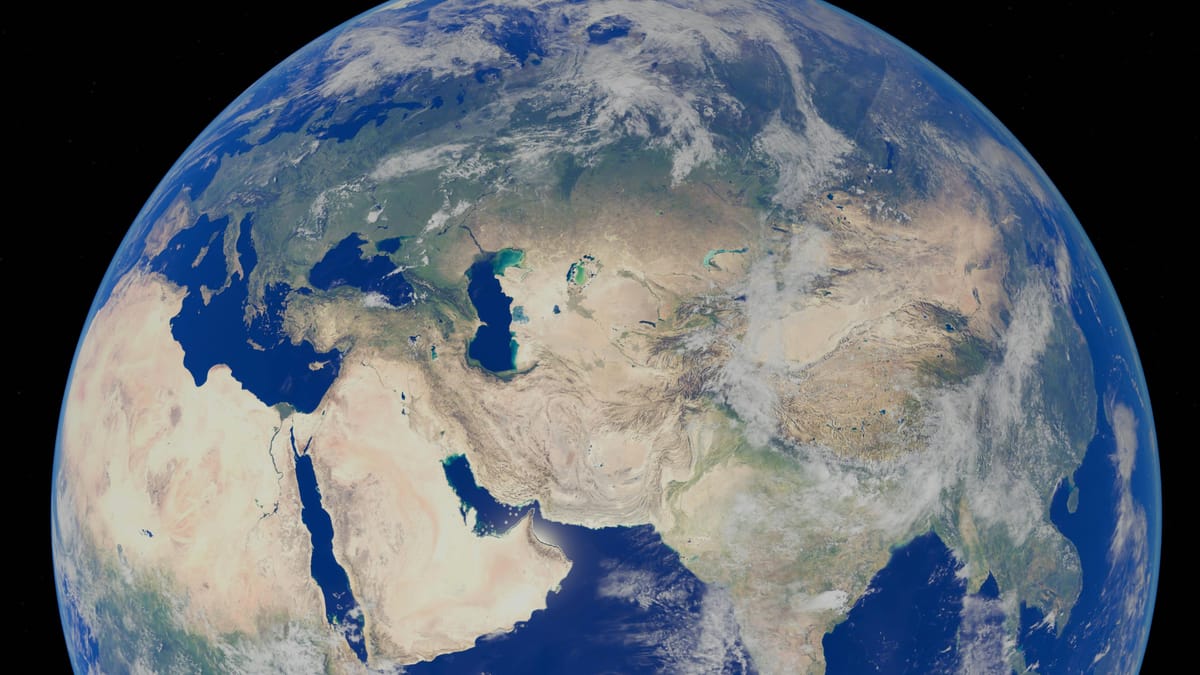
From the snowy ridges of the Himalayas to the sticky heat of Jakarta and the dusty plains of western China, Asia feels like several planets packed into one continent. The sky can be crystal clear at sunrise, then turn dark and wild by noon. For people who depend on solar power, that sky is not just a view, it is a power plant roof.
Solar forecasting is the simple idea of predicting how much electricity solar panels will make in the next minutes, hours, or days. Good forecasts mean steady power for homes, schools, factories, and whole cities. They help cut energy costs, avoid blackouts, and support clean energy plans.
Across Asia, extreme climates twist and break simple weather models. Forecasting here is tougher than in many other regions, so smart tools, local data, and on-the-ground experience all matter.
Why Solar Forecasting Matters For Asia’s Clean Energy Future
What Solar Forecasting Is And How It Helps Power Grids
Solar forecasting is like a weather report for electricity. Instead of asking, “Will it rain tomorrow?” it asks, “How much power will these solar panels produce?”
To answer that, models look at:
- Sunlight and cloud cover
- Temperature and humidity
- Wind, dust, and even snow
Short term forecasts, from a few minutes up to several hours, help grid operators react fast. If clouds are about to move over a large solar farm, they can ramp up another power source so the lights do not flicker.
Day ahead forecasts help plan for tomorrow. A utility can decide how many gas plants to keep ready, how much water to hold back in a dam, or how to schedule battery charging.
Think about a school with rooftop solar. A good forecast tells the school when it will draw more power from the grid and when it will send extra power back. In a village solar farm, it guides when to charge batteries so the village has light at night. Without those predictions, power planning starts to feel like guesswork.
Asia’s Fast Solar Growth Makes Forecasting More Important
Across Asia, solar has grown from a side project to a core part of the grid. China, India, Japan, Vietnam, and Indonesia have all built large solar farms and millions of rooftop systems in a short time.
When solar made only a small slice of total power, a wrong forecast did not hurt much. The grid could hide the mistake. Now, when clouds cut output from thousands of panels at once, it can cause sharp swings that stress cables, transformers, and backup plants.
Backup power, such as batteries, gas plants, and hydro dams, depends on good forecasts. If a storm will hit a 500 megawatt solar park at 2 p.m., the grid operator needs to know this and have backup ready.
Picture a coastal area in Vietnam on a hot afternoon. The sky is bright, then a storm line rushes in from the sea. Within ten minutes, solar output drops like a stone. The power company has to start gas turbines and discharge batteries fast. If the forecast was wrong, that response might come late, and people feel it as flickering lights or local outages.
From Villages To Mega Cities: Who Needs Better Solar Forecasts
Accurate solar forecasts help many different people, not just grid engineers in big control rooms.
- City grid operators use forecasts to keep subways running and hospitals powered.
- Solar farm owners schedule maintenance and trading plans around expected output.
- Factory managers with rooftop solar plan production and manage energy bills.
- Rural communities on microgrids decide when to run backup diesel or when to save battery power.
For a family in a small town, better forecasts can mean fewer blackouts and more stable prices. For a business in a city, they support fair contracts for selling solar power.
Across Asia, though, the same sun shines over very different weather zones. That variety turns forecasting into a tougher puzzle. To understand why, it helps to look at some of these extreme climates.
How Asia’s Extreme Climates Make Solar Forecasting Hard
Monsoon Rains And Fast-Moving Clouds Across South Asia
In India, Bangladesh, Sri Lanka, and much of mainland Southeast Asia, the monsoon season rules the sky. Morning can start with hard, bright sun that warms the panels. By afternoon, clouds pile up, thunder cracks, and rain falls in sheets.
For solar forecasting, this fast switch is a nightmare. Cloud banks move quickly and can form with little warning. A model that looked fine at 10 a.m. might be wrong by noon.
High humidity makes the air hazy. Afternoon storms break out along sea breezes or mountain edges. Some weeks during peak monsoon, a solar farm barely sees the sun at all.
Satellite images and weather radar help track big storm systems, but they still struggle with sudden local bursts. A solar farm on India’s west coast might see its output jump and crash several times a day in monsoon months. The sky becomes a restless dimmer switch that models must chase in real time.
Heatwaves, Dust Storms, And Desert Skies In West China And Central Asia
In regions like Xinjiang, Gansu, parts of Inner Mongolia, and nearby Central Asia, the problem is not rain, it is dust and heat.
Dust storms can turn the sky orange. Sometimes the dust layer is thin and hazy, which only softens the sunlight. Other times it grows thick and dark, cutting solar output in half or more. These changes do not always match simple wind or pressure patterns, so standard forecasts can miss them.
Heatwaves bring another twist. Solar panels work less efficiently at high temperatures. On a 45°C afternoon, panels might get so hot that energy output falls, even if the sky is blue. Models need to predict both the sunlight and the panel temperature.
The desert floor also reflects extra light back toward the panels. This can boost output in ways that confuse simple sunlight measurements. So forecasters in these regions juggle direct sun, scattered dust light, and ground reflection, all under extreme heat.
Typhoons, Coastal Storms, And Rapid Weather Swings In East Asia
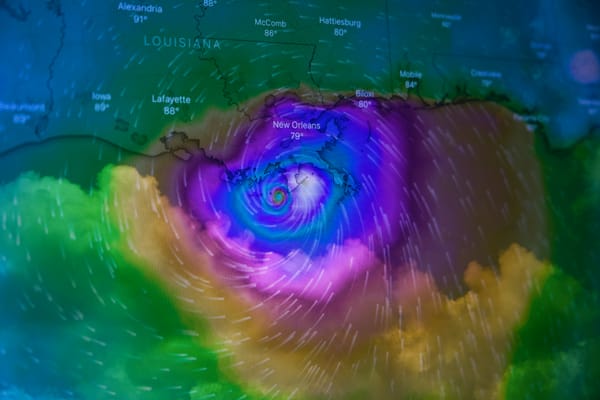
Coastal China, Japan, Taiwan, and the Philippines sit in the path of typhoons and strong sea storms. These systems twist solar output over days.
Before a typhoon hits, thick cloud bands can spread across a wide area. Light levels drop, but not in a smooth way. Short breaks appear, then dark sheets of rain close in again. During landfall, solar output can fall to near zero in the storm core.
Right after the storm passes, skies may clear fast. Panels that spent two days in gray light suddenly sit under sharp sun. For day ahead and week ahead forecasts, this roller coaster is a big challenge.
There is another issue. Typhoons can break panels, damage mounting frames, or knock down lines. The sun may return, but if part of the farm is offline, the grid does not see that power. Forecasts must deal not only with cloud and rain, but also with changes to the system itself.
Fog, Smog, And Pollution Over Big Asian Cities
Many of Asia’s biggest solar markets sit under hazy air. Cities like Beijing, Delhi, Jakarta, and Bangkok face fog, crop-burning smoke, and traffic pollution that all eat away at sunlight.
From the ground, the sky might look bright but washed out. Panels receive weaker and more scattered light than on a clear day. Traditional models that assume “clean air” get this wrong and predict too much power.
Pollution changes hour by hour. A calm morning can trap smog close to the ground. A light wind at noon can clear it faster than expected. In burning seasons, smoke plumes drift far from their source.
Satellites often have a hard time telling thin clouds from dense haze. Both look like a milky layer from space. That confusion leads to forecast errors, especially for millions of rooftop systems spread across city districts.
High Mountains And Cold Weather In The Himalayas And Northern Regions
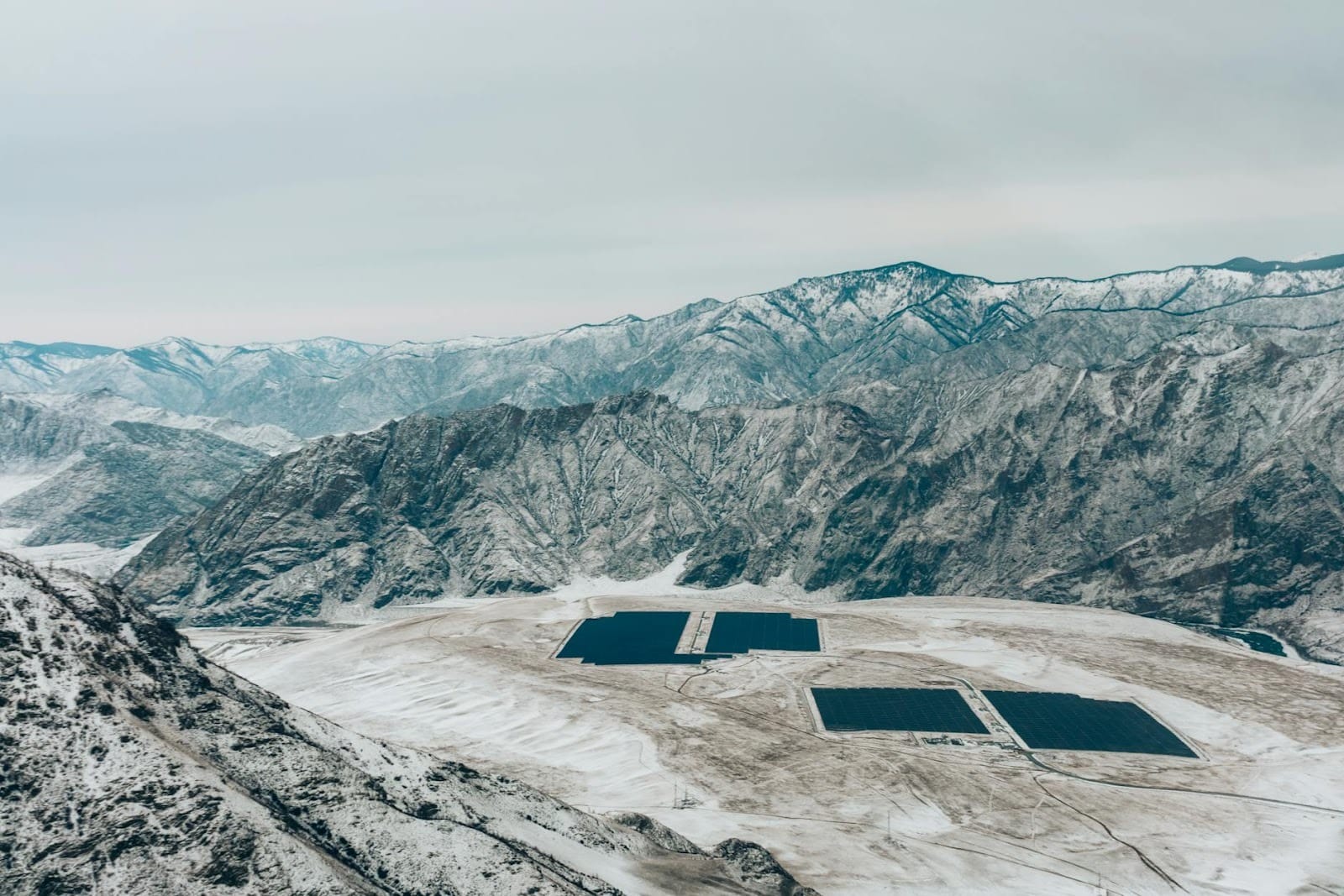
High altitude solar in Tibet, Nepal, Bhutan, and northern Pakistan lives in a different world again. The air is thin, so sunlight is intense. Snow on the ground acts like a giant mirror and can boost output on bright days.
At the same time, snow can pile on panels and block light. Sudden snowstorms come in from high passes. Fog lines form in valleys while peaks above sit in sun. Daytime can be warm and bright, then temperatures drop well below freezing at night.
Weather stations in these mountain areas are often sparse. Models that rely on dense data networks have to guess more. Forecast errors can swing wide, which is a problem when remote communities depend on a single solar microgrid to power clinics and schools.
New Tools And Local Knowledge To Improve Solar Forecasts In Asia
Using AI And Machine Learning To Read Complex Asian Weather
AI and machine learning give forecasters a new way to work with this messy sky. These models can study huge sets of satellite images, ground weather data, and past solar output, then find patterns that simple formulas miss.
Over time, an AI model can “learn” local habits, such as the usual time afternoon monsoon clouds build near a certain coast, or when dust storms tend to start in a given desert valley. It can also update faster when real data shows a change.
Advanced AI tools, including LLMs, can help grid planners test what-if cases. For example, they can ask how the grid would behave if a large storm cuts solar output by half across three provinces. The core benefit stays clear, better forecasts that match actual weather swings.
More Local Sensors, Better Satellite Data, And Shared Weather Networks
Forecasts improve when they get fresher, richer data. In Asia, that means more sensors close to the panels.
Solar farms can add light sensors, weather masts, and panel temperature monitors. Rooftop systems can feed back simple production data. All these streams turn into real time clues about how clouds, dust, or haze are really affecting output.
High resolution satellite images that refresh every few minutes help track small cloud clusters and storm edges, which is key in monsoon and typhoon regions.
Weather does not stop at borders. When countries along the same monsoon belt or river basin share radar and satellite insights, everyone benefits. A storm that forms over Bangladesh today might hit India or Myanmar tomorrow. Shared data makes forecasts stronger on both sides.
Planning Solar Projects With Climate Challenges In Mind
Good forecasting is not only about software. It also starts with smart project design.
Developers can:
- Place the largest solar parks in areas with more stable skies when possible
- Mix solar with wind or hydro, so one resource can cover shortfalls in another
- Add battery storage that smooths out forecast errors and evening peaks
Long term climate records help them understand real extremes. Looking back over decades, not just a few years, shows how often once in ten year dust storms or record monsoon weeks strike.
When planners respect local climate and plan for its tricks, they give households and business owners more reliable clean power. The grid then treats solar as a stable partner instead of a wild card.
Conclusion
Asia’s weather ranges from monsoon coasts to dry deserts and icy peaks, and each sky writes a new chapter in the story of solar forecasting. These extreme conditions make prediction hard, but not hopeless.
Good forecasts keep power stable, support clean energy targets, and give people confidence that solar will be there when they flip a switch. Better data, smarter AI tools, and climate-aware planning all move the region toward that goal.
Every small step in better forecasting brings more stable solar power to homes, schools, and businesses from Karachi to Kyoto. Next time you see solar panels in your own town, think about the weather above them and how a good forecast helps turn that changing sky into steady light.