Guide to Solar Data Accuracy: Ensuring Reliable Measurements for Optimal Energy Performance

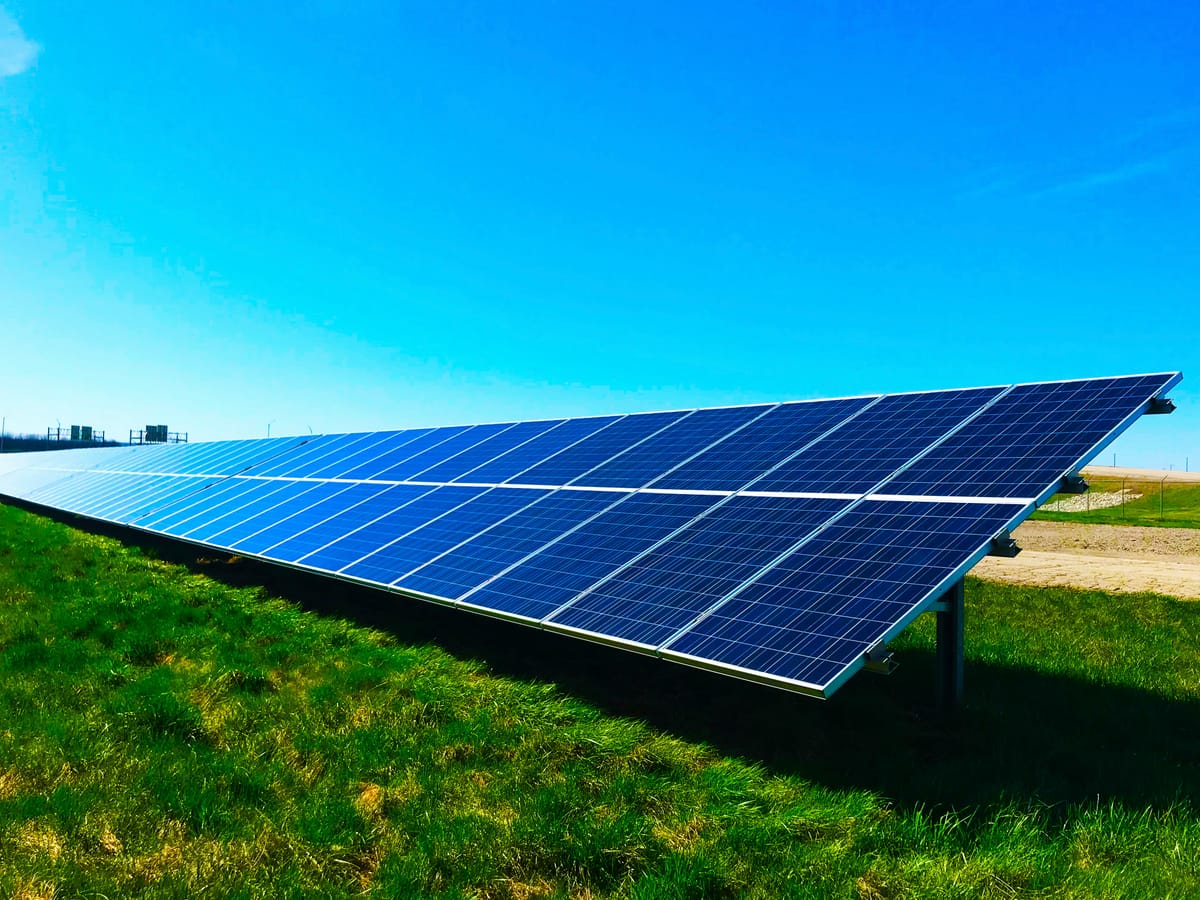
Accurate solar data is essential for optimizing photovoltaic (PV) system performance and making informed decisions in solar energy projects. It involves precise measurement and validation of solar irradiance, forecast accuracy, and PV power modeling to ensure reliable predictions and system design.
The key to solar data accuracy lies in consistent validation against ground measurements, effective calibration of instruments, and adherence to best practices in solar resource assessment and data management. These steps help minimize errors and improve confidence in solar energy forecasts and simulations.
As solar installations grow in size and complexity, understanding and applying these accuracy methods becomes increasingly important for developers, engineers, and researchers working with solar data. This guide explores practical approaches to evaluate and maintain high-quality solar data throughout project lifecycles.
Fundamentals of Solar Data Accuracy
Accurate solar data relies on precise measurements and defined metrics reflecting solar radiation and energy output. Multiple data sources contribute to this information, each with strengths and limitations. Several environmental and technical factors affect the reliability of the collected data, influencing its application in forecasting and system performance.
Key Metrics for Solar Data
Solar data accuracy depends heavily on several critical metrics. Irradiance measures the power of solar radiation per unit area, often reported in watts per square meter (W/m²). It includes global horizontal irradiance (GHI), direct normal irradiance (DNI), and diffuse horizontal irradiance (DHI).
Solar insolation quantifies the total solar energy received over a given area during a specific time, usually expressed in kilowatt-hours per square meter (kWh/m²).
Temperature and albedo also influence solar data because they affect panel efficiency and reflectance. Consistent and high-quality readings of these metrics ensure reliable solar performance models and forecasts.
Types of Solar Data Sources
Solar data is collected from diverse sources, each serving different purposes:
- Satellite-derived data provides wide-area coverage and consistent temporal records but can have spatial resolution limitations.
- Ground-based measurements, including pyranometers and weather stations, offer high local accuracy but limited geographic reach.
- Reanalysis products combine observations with meteorological models to fill gaps and extend historical records.
Each source varies in accuracy and data latency. Combining multiple sources often improves overall data quality by compensating for individual weaknesses.
Factors Influencing Data Reliability
Several factors affect the reliability of solar data. Instrument calibration is essential; poorly calibrated equipment leads to inaccurate measurements.
Data quality control (QC) practices detect and correct anomalies caused by sensor drift, shading, or dirt on panels. Environmental conditions such as cloud cover, aerosols, and temperature fluctuations alter solar radiation measurements.
The choice of data models, satellite products, and ground measurement techniques also impacts reliability. Users should understand these aspects to select and validate solar data effectively.
Methods for Ensuring Solar Data Quality
Accurate solar data depends on precise measurement methods, rigorous validation, and proper calibration. The balance between remote sensing and ground-based methods also impacts data reliability and usability for various applications.
Data Collection Techniques
Solar data collection relies on instruments like pyranometers, pyrheliometers, and radiometers to measure solar irradiance. These sensors must be installed correctly, with regular maintenance, to minimize errors caused by dirt, shading, or misalignment.
Data should be gathered at high temporal resolution, commonly at intervals between one minute to one hour, to capture variability. Metadata, including sensor type, location, and environmental conditions, must accompany measurements to ensure traceability and contextual understanding.
Quality control during collection involves automated checks for sensor faults, signal noise, and data gaps. Staff with minimal training can implement standardized procedures to assess data validity in real time, reducing the risk of prolonged inaccuracies.
Validation and Calibration Processes
Validation involves comparing collected data against known standards or reference measurements. Routine calibration updates ensure sensors provide accurate readings by correcting systematic biases.
Laboratory calibration uses traceable standards before field deployment. On-site calibration checks involve comparison with reference instruments or redundant sensors to identify drift or degradation over time.
Data validation also includes statistical methods to identify outliers and inconsistencies. Techniques such as quality flags and uncertainty quantification help document confidence levels, assisting users in interpreting the reliability of solar datasets.
Remote Sensing Versus Ground Measurements
Remote sensing methods, such as satellite-derived solar irradiance data, offer broad spatial coverage and consistent temporal monitoring. However, these datasets often require adaptation to local ground measurements to improve site-specific accuracy.
Ground-based measurements provide direct, high-fidelity data but are limited in spatial extent and can be influenced by local environmental factors. Combining both approaches through data assimilation improves overall precision.
Satellite data quality assessment incorporates measurement uncertainty estimates and benchmarking against ground stations. This hybrid approach supports enhanced forecasting and energy system design by reducing spatial and temporal data gaps.
Evaluating and Improving Solar Data
Accurate solar data depends on robust error analysis and careful interpretation of results. Identifying sources of uncertainty and applying best practices ensures data reliability for forecasting and system modeling.
Error Analysis Approaches
Error analysis in solar data involves comparing measured solar irradiance with modeled or forecasted values to identify deviations. Key methods include statistical metrics like Mean Bias Error (MBE), Root Mean Square Error (RMSE), and correlation coefficients. These quantify both systematic bias and random fluctuations.
Ground-based measurements serve as a reference but may have low-quality periods caused by instrument faults or maintenance issues. Validating satellite-based data with these ground stations helps detect inconsistencies.
Breaking down errors by time of day, weather conditions, and geographic location offers deeper insights. Analysts often use uncertainty estimation frameworks to assign confidence intervals, guiding decisions on data usability and model calibration.
Best Practices for Data Interpretation
Data quality control is crucial before interpreting solar measurements. This involves filtering out erroneous data points due to sensor malfunctions or logging errors.
Applying standardized metrics consistently across datasets supports comparison between different data sources and models. Analysts should document assumptions and methods transparently to enable replication.
Contextual factors such as cloud cover patterns and terrain influences must be considered to avoid misinterpretation. Combining multiple data sources, like satellite and ground measurements, enhances overall accuracy.
Regular validation cycles and updates to measurement protocols maintain the integrity of solar resource assessments over time.